Buying your first home in Bristol, Tennessee can feel exciting right up until the numbers, timelines, and paperwork start coming at you fast. If you are trying to figure out what you can afford, where to look, and how local programs might help, you are not alone. This guide will walk you through what first-time buyers should know about Bristol’s market, financing options, neighborhood search strategies, and closing costs so you can move forward with more confidence. Let’s dive in.
Bristol Price Range for First-Time Buyers
Bristol is not a bargain-basement market, but it can still be workable for many first-time buyers. Recent housing data shows an average home value of $235,467, a median sale price of $212,667, and median list prices ranging from about $280,000 to $292,417 depending on the source. Homes are also moving fairly quickly, going pending in about 18 days.
For many entry-level buyers, a practical search range is often the low $200,000s up to around $300,000. That does not mean every home in that band will be the right fit, but it gives you a realistic place to start. In a market like Bristol, having your financing lined up before you shop can make a real difference.
Start With Your Finances
Before you tour homes, take a close look at your budget, credit, and monthly spending. This step helps you understand what payment feels comfortable and what price point actually makes sense for your life. It also helps you avoid falling in love with a home that stretches you too far.
A preapproval letter should be one of your first goals. Sellers often expect buyers to have preapproval in hand, and it can help you move faster when the right home appears. Consumer guidance also recommends comparing offers from multiple lenders and getting at least three preapprovals so you can compare rates, fees, and loan terms.
What to do before you shop
- Review your income, savings, and monthly debts
- Check your credit and correct any errors you find
- Estimate how much cash you can use for down payment and closing costs
- Request preapprovals from at least three lenders
- Ask each lender about first-time buyer and down payment assistance programs
Ask About Assistance Early
One of the biggest mistakes first-time buyers make is waiting too long to ask about help with upfront costs. In Bristol, timing matters because some assistance programs affect your loan structure, required documents, and final cash to close. That means you want to ask about them before you start writing offers.
THDA Great Choice program
The Tennessee Housing Development Agency offers the Great Choice program, a 30-year fixed-rate mortgage for eligible moderate-income buyers. Current program guidance includes a minimum credit score of 640, required homebuyer education, and county-based income and purchase-price limits. In Sullivan County, the current acquisition-cost limit is $400,000, with income limits of $92,300 for one- to two-person households and $107,380 for households of three or more.
Great Choice Plus assistance
If you qualify for Great Choice, you may also be able to pair it with Great Choice Plus. Current options include either a deferred $6,000 second mortgage for down payment and closing costs or an amortizing option of up to 5% of the sales price, capped at $15,000. For many first-time buyers, that kind of help can make homeownership feel much more reachable.
Bristol-area HOME Consortium assistance
Bristol’s Northeast Tennessee/Virginia HOME Consortium may also offer down payment and closing cost help. The city says assistance can range from $1,000 to $15,000 based on need and available funding. The application process requires detailed documentation, including a signed sales contract, appraisal, closing estimate, income documents, and a homebuyer education certificate.
The key takeaway is simple: ask early and keep your paperwork moving. If you may need assistance, your lender and agent should know before you get deep into the home search.
Neighborhoods Worth a First Look
There is no official list of starter-home neighborhoods in Bristol, but some areas stand out because of price points, housing stock, and location. These are not guarantees of affordability, but they can be practical places to begin your search.
Fairmount
Fairmount is one of the clearest budget-conscious areas to watch. Neighborhood data places the median real estate price around $208,074, and the area is known for older, established housing built largely between 1940 and 1969. The neighborhood also includes Fairmount Park, a named city amenity.
If you are open to older homes and want to stay aware of value, Fairmount may deserve a close look. You will still want to pay attention to inspection findings, especially with homes from this era.
Avoca
Avoca is another strong in-town option for first-time buyers. Neighborhood data places the median real estate price around $257,858, with a mix of owner-occupied and rental housing and many homes built between 1940 and 1969. Friendship Park is a local amenity in this area.
Avoca can make sense if you want an established neighborhood feel and a price point that may still fit many first-time buyer budgets. As with other older areas, condition can vary a lot from one property to the next.
City Center
City Center sits close to downtown and has a median real estate price around $218,422. The housing mix includes small- to medium-sized homes and small apartment buildings, with much of the stock being older and well established.
For buyers who want to be near the center of town, this area can offer a different type of entry point. Home style, lot size, and parking may vary more here, so it helps to define your must-haves early.
Deerfield Acres / Vance
Deerfield Acres / Vance is a more spread-out option with a median real estate price around $252,032. The housing stock leans more toward homes built from 1970 to 1999, along with some newer construction and a notable share of mobile homes.
This area may be worth exploring if your priority is space rather than an in-town location. It can be a useful option if you want a little more room and are open to a different neighborhood layout.
Why Home Age Matters in Bristol
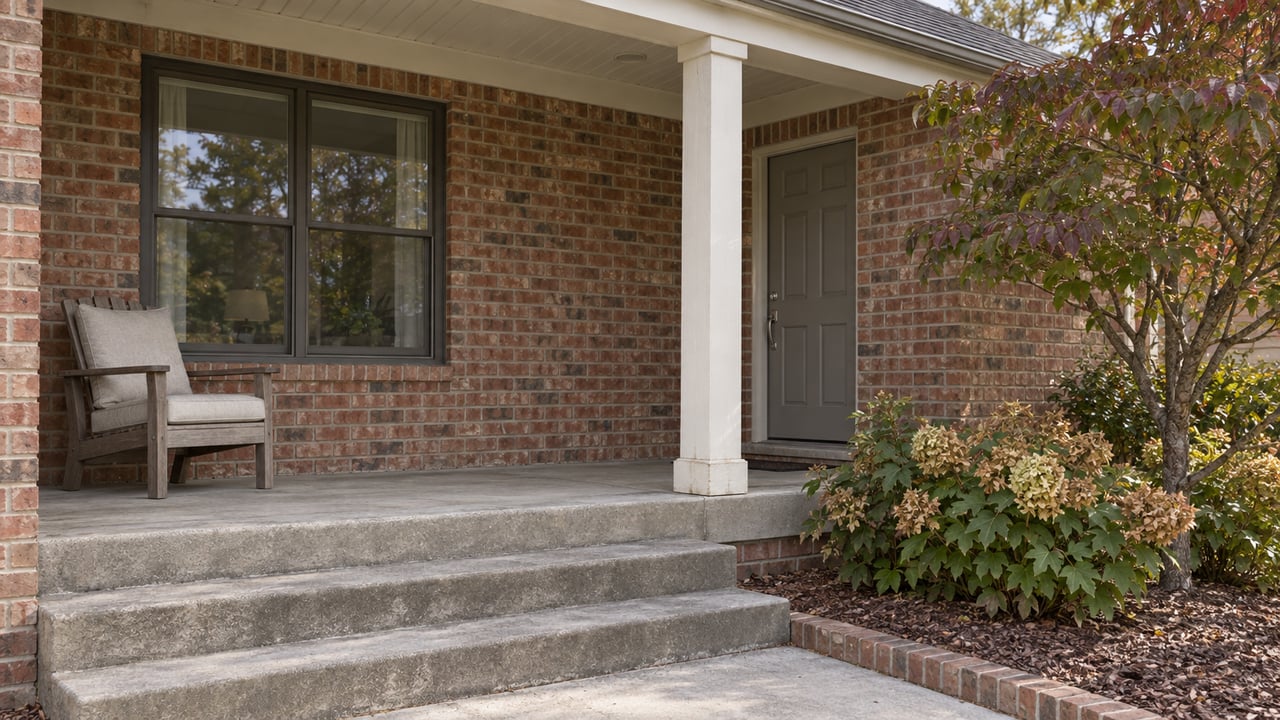
Bristol has a large share of older housing, and that matters for first-time buyers. Much of the city’s housing stock was built between the 1940s and 1960s, with many single-family detached homes. That can mean charm and established neighborhoods, but it can also mean older systems and more repair considerations.
When you move from renting to owning, the maintenance side becomes your responsibility. Older roofs, HVAC systems, plumbing, electrical updates, and windows can all affect your monthly budget over time. A strong inspection and a realistic repair reserve are especially important in Bristol.
Questions to ask about older homes
- How old is the roof?
- When was the HVAC system replaced?
- Have the plumbing or electrical systems been updated?
- Are there signs of moisture issues or deferred maintenance?
- What repairs should you plan for in the first one to three years?
Understand Bristol TN Property Taxes
If you are comparing homes across the state line, do not assume Bristol, Tennessee and Bristol, Virginia work the same way. On the Tennessee side, residential property is assessed at 25% of appraised value, not full value. Sullivan County’s adopted 2025 county rate is $1.6129 per $100 of assessed value, and Bristol’s FY2026 city rate is $1.8450 per $100 of assessed value.
Combined, that is about $3.4579 per $100 of assessed value before any special district charges. On a $200,000 home, that works out to roughly $1,729 per year in city-plus-county property tax. Bristol Tennessee property taxes are assessed by Sullivan County and billed through the city, with bills due by January 5 of the following year.
For first-time buyers, the lesson is to look beyond the list price. Your mortgage payment, taxes, insurance, and maintenance costs all work together to shape affordability.
Budget for Tennessee Closing Costs
Closing costs in Bristol, Tennessee can include more than lender and title fees. Tennessee also has recording-related charges that buyers should understand as they build a budget. The state’s realty transfer tax is 37 cents per $100 of purchase price, and the indebtedness tax is $0.115 per $100 of debt.
That does not mean every closing will look the same, but it does mean buyers should leave room for these charges in addition to other closing expenses. If you are using an assistance program, make sure those funds are shown correctly in your loan and closing documents.
Know the Closing Timeline
The final days before closing are important, especially for a first-time buyer. Your lender must provide your Closing Disclosure at least three business days before closing. This gives you time to compare the final numbers to your earlier loan estimates.
At that stage, review your interest rate, monthly payment, cash to close, taxes, and fees carefully. If you are using THDA or local assistance, confirm that everything appears accurately. Catching issues early is much easier than trying to fix them at the closing table.
Final pre-closing checklist
- Review your Closing Disclosure as soon as it arrives
- Compare final loan terms to your earlier estimates
- Confirm down payment and closing cost assistance is listed correctly
- Ask questions about any fee you do not understand
- Make sure your funds and timing are ready for closing day
A Smart First-Time Buyer Plan
If you want to buy your first home in Bristol, the best approach is a steady one. Clean up your finances, compare lenders, ask about assistance before touring, and focus your search on neighborhoods and home types that match your budget. In a market where homes can move quickly and many properties are older, preparation matters.
You do not need to know everything on day one. You just need a clear plan, good local guidance, and enough time to make informed choices. With the right support, your first Bristol home can be a smart step, not a stressful guess.
If you are ready to explore Bristol homes with a local, detail-focused approach, Mary Glenn Lively can help you understand the market, narrow your options, and move through the buying process with confidence.
FAQs
What is a realistic first-time homebuyer budget in Bristol, Tennessee?
- Recent market data suggests many first-time buyers in Bristol may find practical options from the low $200,000s to around $300,000, depending on condition, location, and financing.
What first-time buyer programs are available in Bristol, Tennessee?
- Eligible buyers may have access to THDA’s Great Choice mortgage, Great Choice Plus down payment assistance, and Bristol’s Northeast Tennessee/Virginia HOME Consortium assistance, depending on program rules, income, and available funding.
What credit score is needed for THDA Great Choice in Sullivan County?
- THDA’s current guidance lists a minimum credit score of 640 for the Great Choice program.
What are Bristol, Tennessee property taxes for a $200,000 home?
- Using the current city and county rates cited above, a $200,000 home in Bristol, Tennessee would have roughly $1,729 in annual city-plus-county property tax before any special district charges.
Why do inspections matter for first-time buyers in Bristol, Tennessee?
- Bristol has a large share of older housing, much of it built between the 1940s and 1960s, so inspections are important for understanding the condition of major systems and planning for repairs.
When do you get the Closing Disclosure for a Bristol, Tennessee home purchase?
- Your lender must provide the Closing Disclosure at least three business days before closing, giving you time to review the final loan terms, taxes, and fees.