Selling a historic home in Bristol, Tennessee, is not the same as selling a newer property. Buyers are often drawn to original details, established streetscapes, and the story a home tells, but they also want clear information about condition, updates, and what ownership really means. If you want to protect your home’s value and attract the right buyer, it helps to have a plan for pricing, prep, and marketing. Let’s dive in.
Know what makes your home historic
In Bristol, several areas are especially relevant when you are selling a historic property. The city identifies the Downtown Commercial Historic District, the Fairmount Neighborhood Historic District, and the Holston Avenue Neighborhood Historic District as key local historic districts.
That matters because not every older home carries the same historic context. A home may be listed in, eligible for, or contributing to a National Register historic district, and those distinctions can shape how buyers view its character and value. Your first step is to understand how your property fits into that bigger picture.
Understand what historic status does and does not mean
One of the biggest myths sellers face is the idea that historic status makes a home harder to sell. In Tennessee, National Register listing does not prevent you from selling, subdividing, or deeding your property.
It also does not require exact reconstruction after damage. The Tennessee Historical Commission further notes that listing should not increase insurance rates, which is helpful information to share when buyers have questions.
Price with character and condition in mind
Pricing a historic home takes more than pulling a few nearby sales. You need a normal comparable-sales analysis, but you also need to account for originality, condition, and the likely cost of preserving or replacing period details.
That is especially important in a market where pricing discipline matters. In NAR’s 2025 survey, 20% of sellers said they most wanted help pricing the home competitively, and 36% reduced their asking price at least once. A careful launch price can help you avoid losing momentum.
Document the features that support value
If your home has original materials or thoughtful updates, put them in writing before you list. Buyers and their agents need more than words like historic or charming to understand why your home stands out.
Helpful details can include original woodwork, fireplaces, staircases, built-ins, trim, masonry, windows, porches, and other visible period features. You should also note any prior alterations or modern upgrades so buyers can understand both the home’s character and its day-to-day livability.
Focus pre-listing repairs on historic character
Before you spend money getting ready to sell, take a close look at which repairs will actually strengthen your presentation. In Bristol, the city’s historic preservation guidance highlights exterior-sensitive renovations and work that supports historic character.
That means your best investment may be in items like trim repair, porch upkeep, masonry maintenance, roof condition, windows, doors, or paint choices that fit the home. If repairs are needed, the Secretary of the Interior’s Standards for Rehabilitation are widely used as general guidance for preserving historic character while allowing sensitive upgrades.
Choose updates that feel compatible
You do not need to make an older home look brand new. In many cases, buyers respond better when a historic home feels well cared for and authentic rather than over-renovated.
Bristol’s published design guidance addresses doors, windows, roofs, lighting, garages, walkways, outbuildings, modern amenities, and compatible new construction. For sellers, that makes it a useful framework for deciding what to refresh, what to leave alone, and what to highlight.
Stage to highlight, not hide
Historic homes usually sell best when staging supports their original architecture. Instead of covering up the home’s age, your goal is to help buyers picture themselves living comfortably with the features that make the property special.
That can mean opening up sightlines to fireplaces, showcasing a staircase, simplifying décor around built-ins, or making a front porch feel inviting. The most effective staging does not need to feel overly styled. It simply needs to make the home feel livable, cared for, and easy to understand.
Why staging matters for older homes
Visual presentation has a real impact on buyer response. NAR’s staging findings reported that 49% of sellers’ agents said staging reduced time on market, and 29% said it increased the dollar value offered by 1% to 10%.
For a Bristol historic home, that benefit often comes from helping buyers connect with character features that might otherwise feel unfamiliar. When the home is clean, edited, and thoughtfully arranged, its details become an asset instead of a question mark.
Invest in strong photography
Your online photos may be the first showing a buyer ever gets. NAR’s 2025 survey found that among buyers who used the internet, 83% said photos were very useful, 57% valued floor plans, 41% found virtual tours useful, and 29% valued videos.
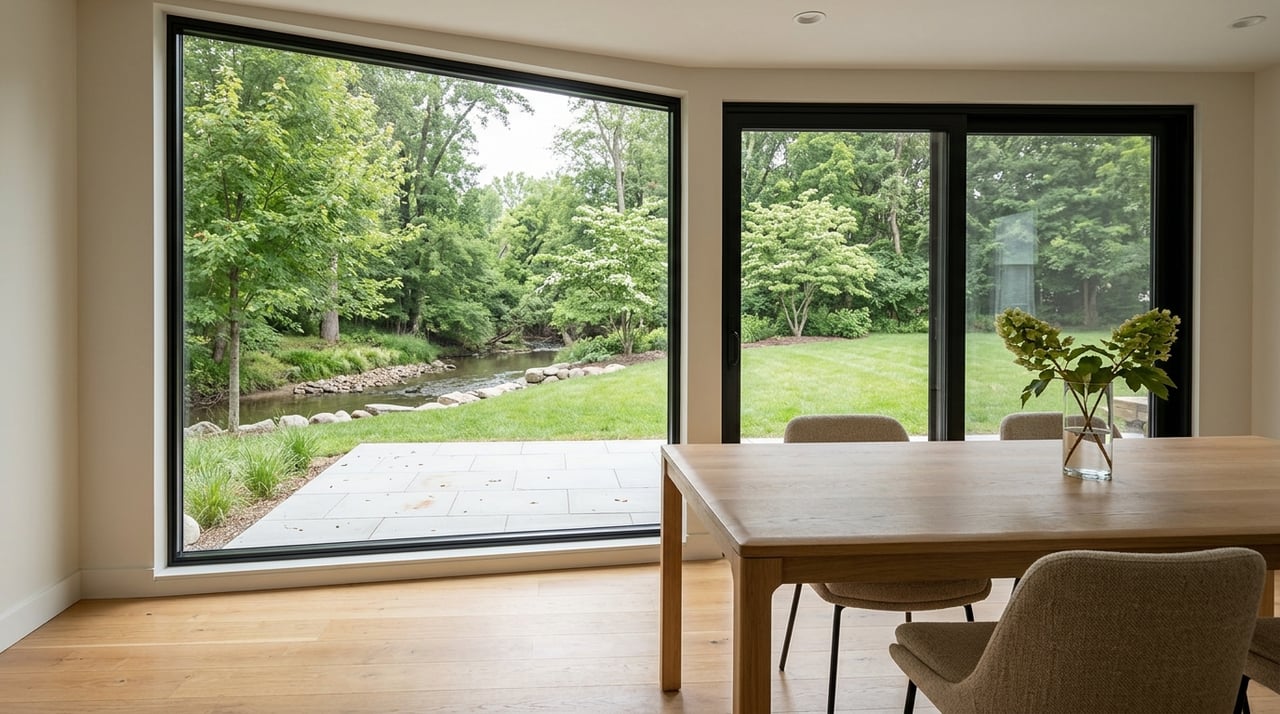
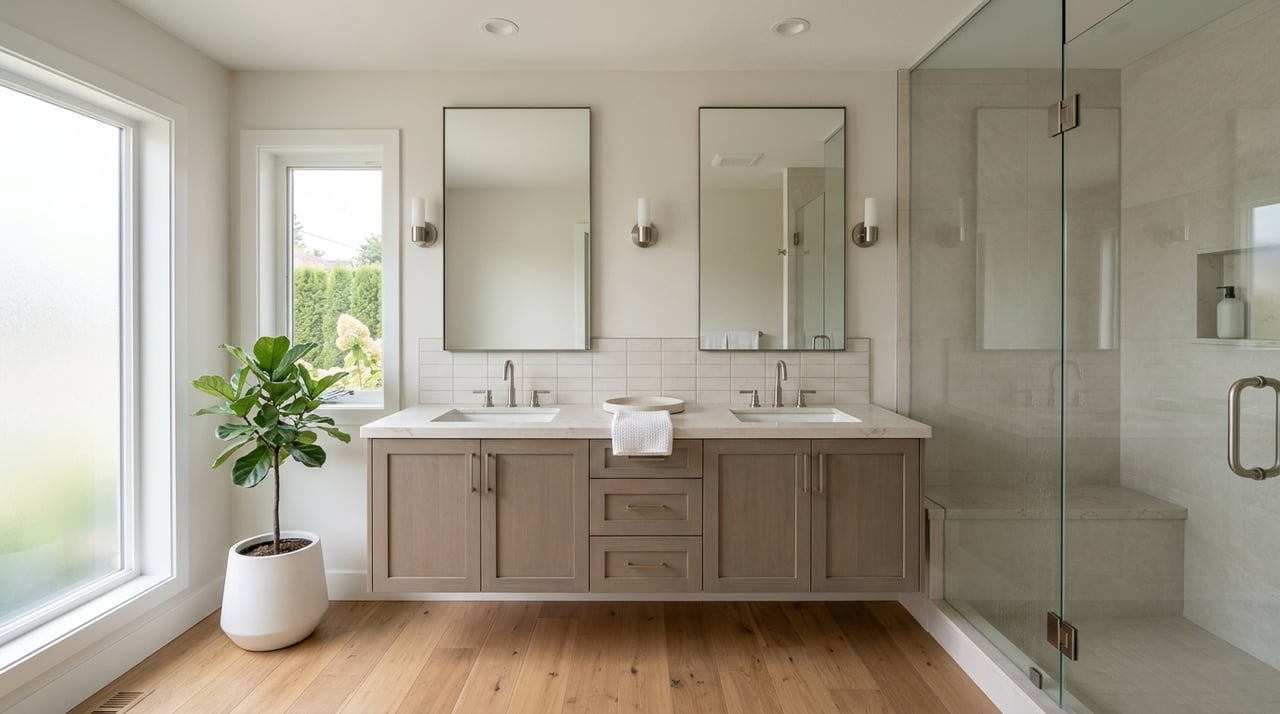
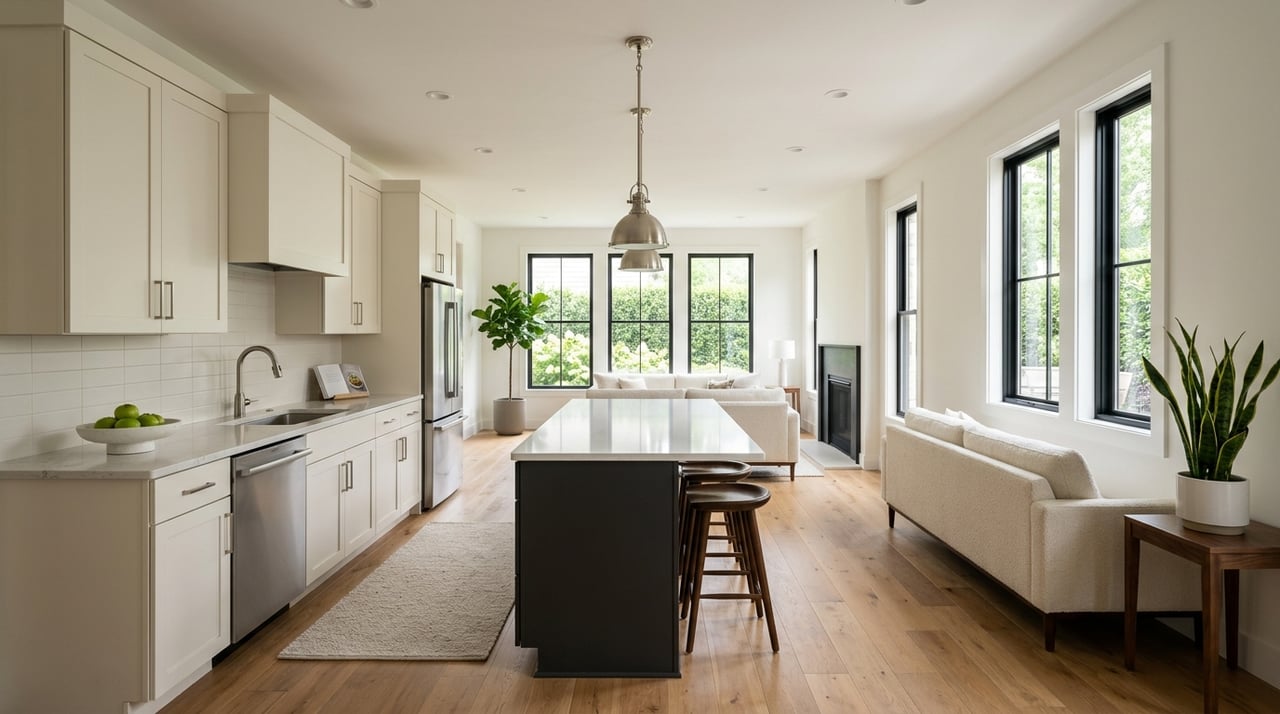
That means a historic listing needs more than a few quick snapshots. A professional, well-planned photo package can help buyers appreciate scale, craftsmanship, and layout before they ever schedule a tour.
What to photograph first
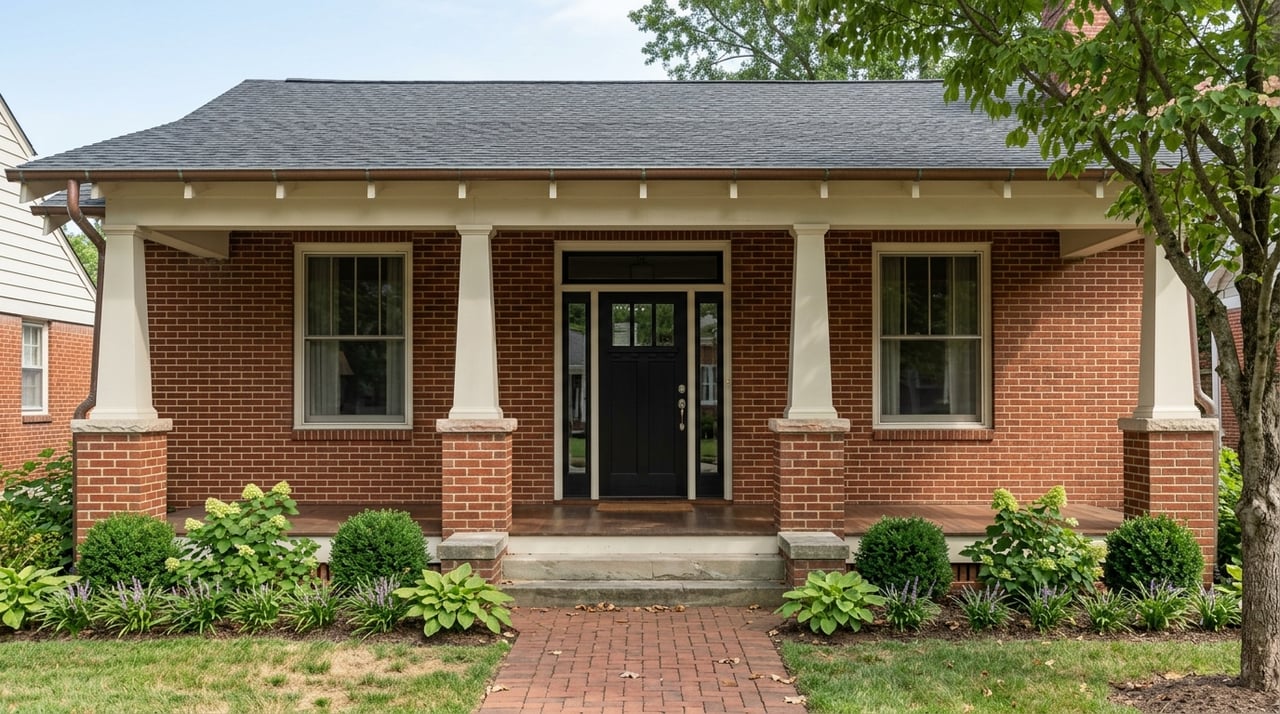
A Bristol historic home should usually include images that clearly show both curb appeal and detail. Good listing coverage often includes:
- A street-facing façade shot
- Porch details
- Roofline and trim
- Windows and doors
- Fireplaces and mantels
- Stair details
- Built-ins or millwork
- Outbuildings or garage spaces
- Landscaped exterior areas
Seller prep matters too. Deep cleaning, decluttering, and honest representation all improve results, and a full gallery of about 22 to 27 photos can give buyers a better sense of the property.
Build a listing description that answers questions
Because 51% of buyers in NAR’s 2025 survey found the home they purchased on the internet, your listing description needs to do real work. It should not stop at calling the property historic.
Instead, it should explain the home’s age if known, architectural style, district status if applicable, original features that remain, and updates that support modern living. The stronger your description, the easier it is for buyers to understand both the emotional appeal and the practical value.
Include the details buyers want early
Historic-home buyers often have very specific questions. If you answer them upfront, you can reduce confusion and attract more serious interest.
Useful listing details may include:
- Whether the property is in one of Bristol’s identified historic districts
- Which original features are still intact
- Which systems or spaces have been updated
- Whether any additions or alterations have been made
- The overall condition of key exterior elements
This kind of clarity helps defend your asking price and makes your home easier to compare against other listings.
Be ready for common buyer concerns
Many buyers love older homes but worry about rules, maintenance, and costs. You can make your sale smoother by addressing the most common concerns directly in marketing materials or during showings.
One important point is that National Register status does not block a sale. Another is that owner-occupied houses generally do not qualify for the federal historic rehabilitation tax credit, since that credit usually applies to certified historic structures used for income-producing purposes.
Market your home where buyers are looking
Most sellers still benefit from broad listing exposure. NAR’s 2025 survey found that 90% of sellers used an agent and 88% listed on the MLS.
For a historic home, broad exposure works best when paired with careful storytelling and polished visuals. That combination helps your home reach buyers who are already searching online and gives them a clear reason to take the next step.
Why strategy matters in Bristol
Historic homes in Bristol are rarely one-size-fits-all properties. Their value often depends on how well you explain character, condition, and compatibility in a way that feels factual and easy to trust.
That is where local knowledge matters. A thoughtful selling strategy can help you decide what to repair, how to present the home, how to price its originality, and how to market it with the kind of detail buyers expect.
If you are thinking about selling a historic home in Bristol, the right plan can make the process feel much more manageable. For boutique guidance, polished marketing, and hands-on support from start to finish, connect with Mary Glenn Lively.
FAQs
What counts as a historic home in Bristol, Tennessee?
- A historic property may be listed in, eligible for, or contributing to a National Register historic district, and Bristol also identifies local historic districts including Downtown Commercial, Fairmount, and Holston Avenue.
Does National Register status stop you from selling a Bristol historic home?
- No. The Tennessee Historical Commission says National Register listing does not prevent an owner from selling, subdividing, or deeding the property.
How should you price a historic home in Bristol?
- Pricing should combine comparable sales with the home’s originality, condition, and the likely cost of preserving or replacing period details.
What repairs help most before listing a historic home in Bristol?
- Repairs that protect and showcase historic character, such as work on trim, porches, masonry, windows, doors, paint, and roof condition, are often the most useful.
Do owner-occupied historic homes in Tennessee qualify for the federal rehab tax credit?
- Generally, no. The Tennessee Comptroller states that the federal credit usually applies to certified historic structures used for income-producing purposes, not owner-occupied residential homes.
What should a Bristol historic-home listing include online?
- It should include strong professional photos, clear property details, the home’s age if known, architectural style, district status if applicable, original features, and modern updates.