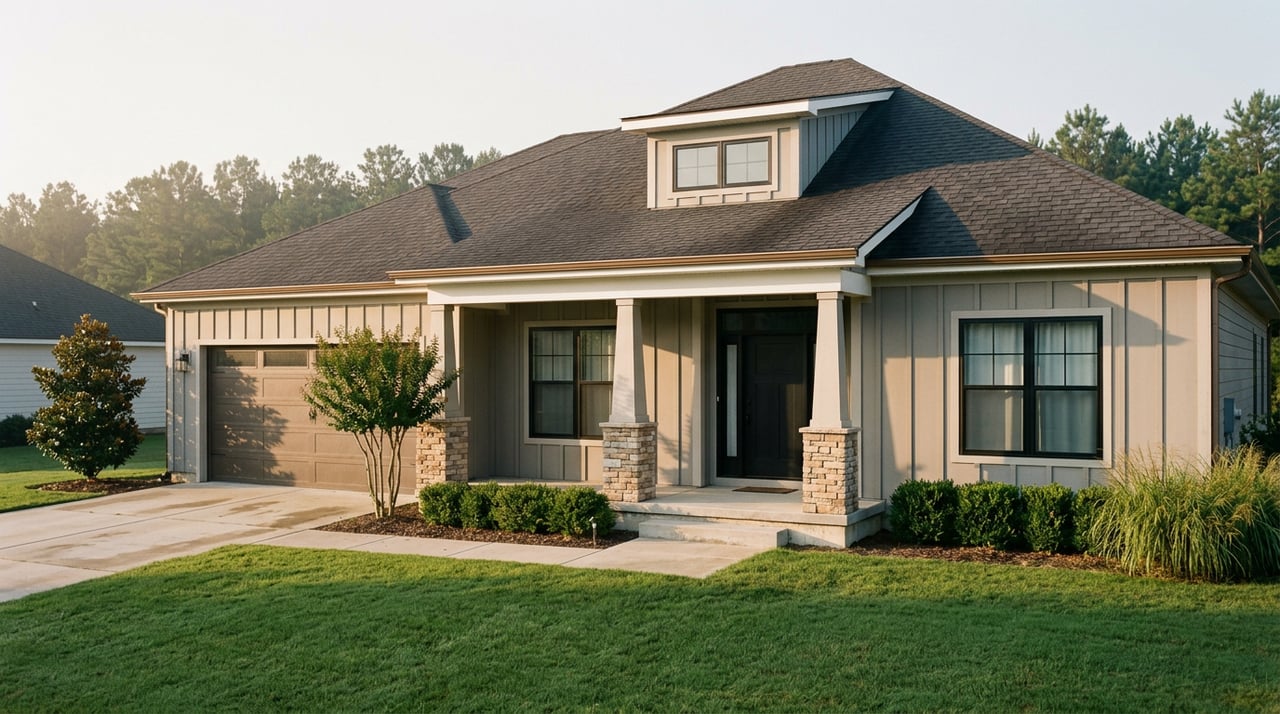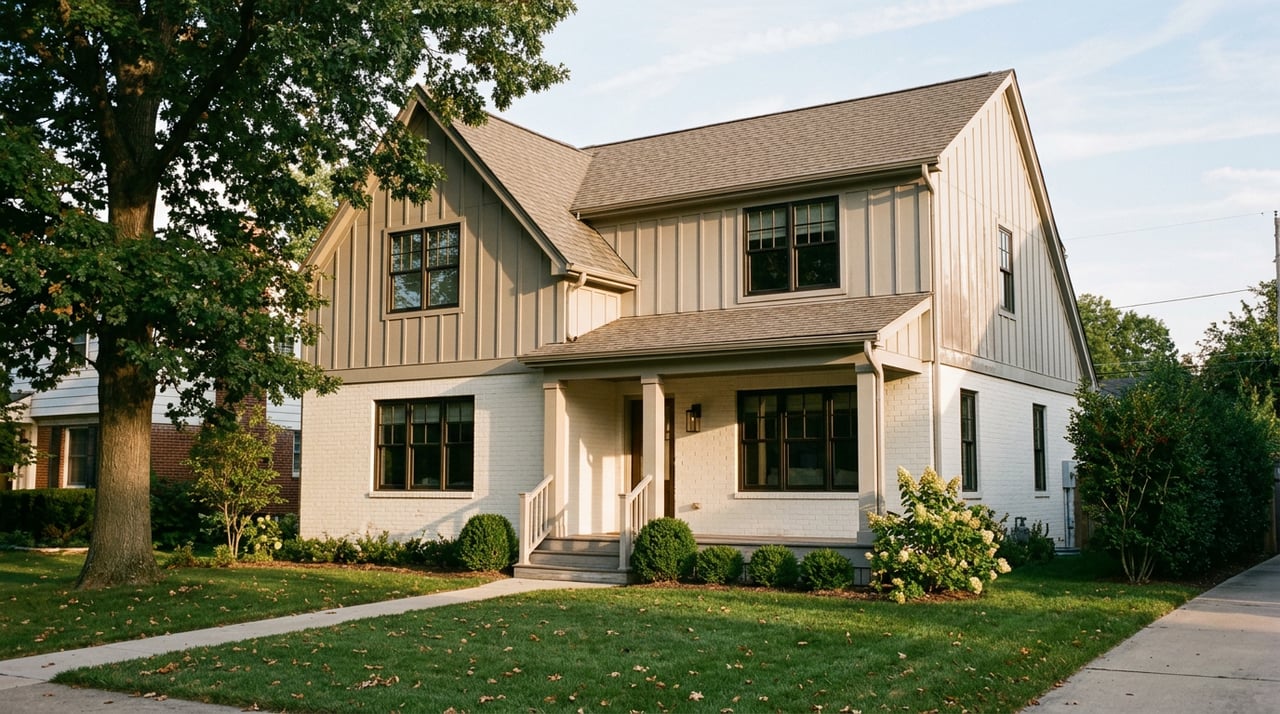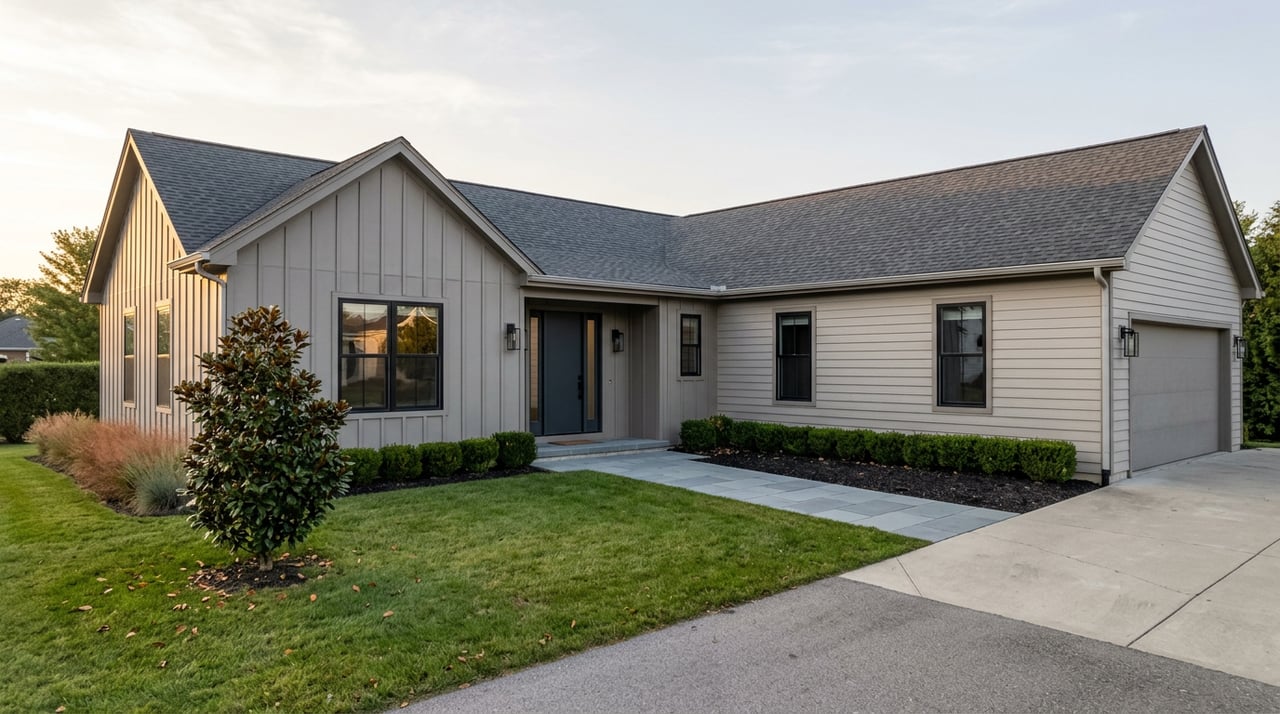
A buyer walks through a 1920s bungalow on one of the curving streets in Fairacres. The millwork is original. The floors are chestnut. The seller has kept the place in beautiful shape for three decades. An offer goes in that afternoon, and it's accepted the next morning.
Two weeks later, the buyer's insurance underwriter calls with a question nobody asked during the showing: what kind of wiring is behind these walls?
That question, more than square footage or curb appeal, decides whether a lot of sales in Kingsport's oldest neighborhoods actually close. It's the mechanism underneath the market that most listings never mention, and it explains why two houses on the same block, built the same year, can sell for wildly different prices even when they look nearly identical from the sidewalk.
The House Isn't What Gets Flagged. The Panel Is.
Fairacres was laid out in 1926 by Earle Sumner Draper, the planner who also designed Charlotte's Myers Park and Knoxville's Sequoyah Hills, as part of the Dobyns Addition adjoining what locals still call White City, a stretch of Kingsport where every home was originally required to have a white painted exterior. The Watauga Street Historic District carries some of the city's earliest houses, including the 1916 J. Fred Johnson House, with construction dates running through the 1920s, 30s, and into the 1950s as the street filled in.
That means a meaningful share of the housing stock in these neighborhoods predates modern electrical code by decades. A 2026 guide to homeowners insurance in Kingsport put it plainly: carriers look hard at home age and construction, and knob-and-tube wiring or galvanized steel pipe can push a rate up or require an upgrade before a policy is even issued. Most standard carriers want to see a 100-amp electrical panel. Knob-and-tube systems typically run on 60 amps, built for a household with a radio and a refrigerator, not a modern kitchen and a home office.
This is the part that catches buyers off guard. A seller can live in a Fairacres home for twenty years without a single electrical problem. The wiring works. Nothing has ever tripped, sparked, or failed an inspection because nobody has ever inspected it that closely. Then a buyer's lender orders an underwriting review, a licensed electrician gets sent out, and the deal hits a wall that had nothing to do with the house showing well.
What the Same Neighborhood Actually Sells For
The spread in outcomes shows up in the sales data. A local history piece on Fairacres tracking three years of closings through October 2025 found 38 homes sold in the neighborhood ranging from $60,000 to $860,000. That's not a typo and it's not two different neighborhoods. It's one neighborhood where systems condition, not just architecture or lot size, ends up doing a lot of the pricing work.
Watauga Street tells a similar story from the other direction. A local buyer's guide published earlier this year pegged the going rate on Watauga at rarely under $500,000, even though Kingsport's citywide median for the twelve months ending November 2024 sat at $264,000. Part of that premium is location and architecture. Part of it is that the homes commanding those numbers have already had the systems work done, the panel upgraded, the plumbing modernized, so a buyer's insurance underwriter has nothing to flag.
In other words, the address doesn't set the price ceiling in these neighborhoods. The electrical panel does.
What Tennessee Law Actually Requires You to Say
Here's where sellers sometimes assume more protection than the law provides, or worry about more than they need to.
Tennessee's Residential Property Disclosure Act only requires sellers to disclose material defects they actually know about. The law does not require a seller to hire an inspector, open a wall, or investigate a system they've never had reason to question. If you've owned a Fairacres home for two decades and never had a problem, you're not required to go looking for one before you list.
Sellers in Tennessee have three legal paths: give the buyer a full disclosure statement, provide a disclaimer that the property is sold as-is if the buyer agrees in writing to waive the standard disclosure, or qualify for a statutory exemption, which covers situations like an owner who hasn't lived in the property within the past three years. Whichever path applies, the disclosure has to reach the buyer before the purchase contract becomes binding, and buyers generally have about a year from disclosure or closing to bring a claim if something was misrepresented.
None of that changes the insurance math. A seller can follow the disclosure law to the letter and still watch a deal wobble at underwriting, because the law governs what you have to say, not what a lender's insurance requirement will accept. That gap between legal compliance and insurability is exactly where Fairacres and Watauga Street closings tend to stall.
| Seller's disclosure path | What it requires | Where it doesn't help |
|---|---|---|
| Full disclosure statement | Written statement of known material defects, delivered before contract is binding | Doesn't address issues the seller never knew about, like unflagged wiring |
| Disclaimer statement (as-is) | Only valid if buyer agrees in writing to waive disclosure | Buyer's lender or insurer can still require upgrades regardless |
| Statutory exemption | Applies to certain transfers, including owners absent 3+ years | Doesn't exempt the property from a lender's insurance requirements |
The Move That Keeps a Historic Sale on Track
The sellers who avoid the mid-contract scramble are the ones who find out what an underwriter will find out before a buyer's offer is even on the table.
That means a pre-listing electrical review from a licensed electrician or a home inspector with electrical experience, done early enough that any findings can be priced into the listing or resolved before showings start. In the Tri-Cities, inspectors like Tim Lawson of Advanced Home and Property Inspection, who carries a hands-on background as a residential electrician, or KC Bartley, a Code Certified Master Inspector who has logged more than 3,000 inspections across Kingsport, Johnson City, and Bristol, do exactly this kind of systems-focused review. So does Marc Holliday of Holliday Home Inspections, whose team includes complimentary thermal imaging that can spot overheating components inside a wall before they become a deal-breaker at underwriting.
If a rewire turns out to be necessary, sellers have more room to negotiate than most assume. Insurance guidance on older homes generally notes that carriers offering conditional coverage sometimes give a 30-day window to complete the rewire, but buyers and sellers can often request 60 or 90 days instead, which matters if the fix has to happen inside a real estate closing timeline rather than on a homeowner's own schedule. It's also worth knowing that a rewire quote typically covers only the electrical work itself. Opening and patching the plaster or drywall afterward is a separate cost, and it's the part most homeowners don't see coming.
None of this means a Fairacres or Watauga Street home with older systems can't sell, or that buyers should walk away from a house they love because of a 1930s panel. It means the sale goes smoother when the wiring question gets answered in week one of the listing instead of week three of the contract.
Frequently Asked Questions
Do I have to disclose knob-and-tube wiring I've never had tested? Under Tennessee's Residential Property Disclosure Act, you only have to disclose material defects you actually know about. If you've never had the wiring evaluated and have no reason to believe there's a problem, the law doesn't require you to investigate before listing. It's still worth doing anyway, since a buyer's lender will likely find it regardless.
Can I still sell a home in Fairacres or on Watauga Street if it has original wiring? Yes. Plenty of these homes sell every year. The difference is usually in how the sale is handled, whether the systems condition is addressed and priced in up front, or discovered by an underwriter after the buyer is already emotionally and financially committed.
How long can a buyer come back after closing if something surfaces later? Buyers in Tennessee generally have about a year from the date of disclosure or closing to bring a claim if a seller misrepresented a known material defect. That's one more reason a straightforward, well-documented disclosure protects both sides.
If you're weighing a sale in Fairacres, on Watauga Street, or anywhere else in Kingsport's older neighborhoods, the systems conversation is worth having before the sign goes in the yard, not after an offer arrives. Mary Glenn Lively works these blocks regularly and can walk you through what a pre-listing review actually costs against what a stalled closing costs. Get your home's free valuation and schedule a no-obligation consult to start that conversation on your terms, not an underwriter's.